Authentic Lebanese Hindbeh: A Taste of Tradition and Home
In the vibrant tapestry of Lebanese cuisine, few dishes encapsulate the essence of simplicity, health, and profound flavor quite like Lebanese Hindbeh. More than just a humble plate of greens, Hindbeh is a culinary tradition, a comforting taste of home passed down through generations. Whether enjoyed as a vibrant vegetarian mezze, a wholesome side dish, or a light main meal, this versatile preparation of sautéed greens and caramelized onions is a testament to the power of fresh, quality ingredients.
From bustling city kitchens to tranquil village homes, Lebanese Hindbeh holds a special place, cherished for its adaptability and its ability to transform everyday ingredients into something extraordinary. Its appeal lies not only in its delightful taste but also in its nutritional benefits and the cultural story it tells. Prepare to embark on a journey that explores the heart of this beloved Lebanese staple.
What Exactly is Lebanese Hindbeh? Unpacking a Culinary Gem
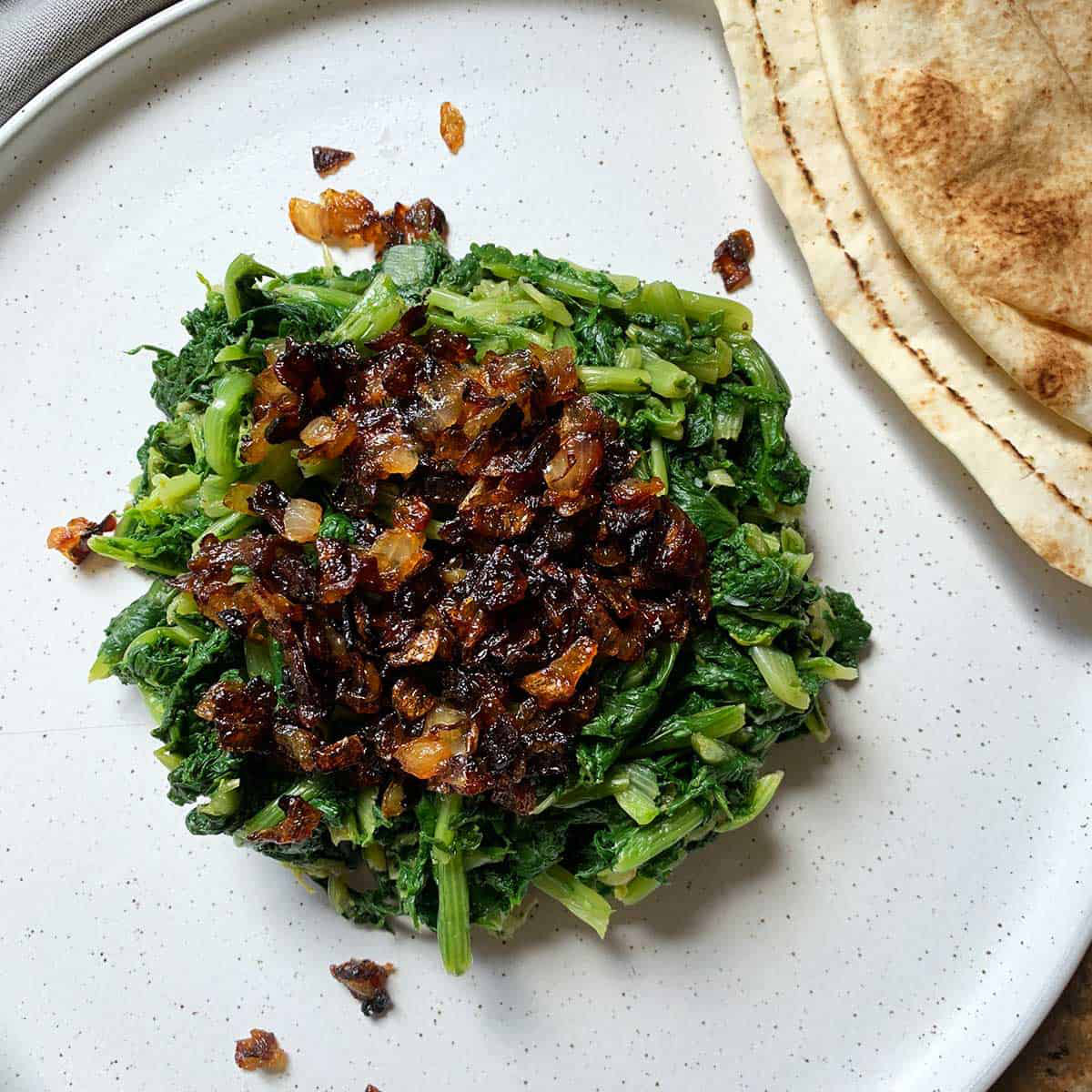
At its core, Hindbeh is a traditional Lebanese dish featuring cooked greens – most commonly wild dandelion greens, but also chicory or spinach – artfully combined with sweet, caramelized onions. The dish is typically finished with a generous drizzle of good quality extra virgin olive oil and a bright squeeze of fresh lemon juice, creating a harmonious balance of earthy, sweet, tangy, and savory notes.
Often referred to as Hindbeh b'zeit, meaning "Hindbeh with oil," this dish celebrates the natural flavors of its simple components. It's naturally vegetarian and vegan-friendly, making it a popular choice for those seeking nutritious plant-based options. Its versatility extends beyond its ingredients; Lebanese Hindbeh can be served warm, at room temperature, or even chilled, making it an ideal companion for a variety of occasions – from a quick weeknight dinner to an elaborate mezze spread alongside classics like Tabbouleh and hummus.
The beauty of Hindbeh lies in its unfussy nature. With just a handful of ingredients and minimal prep, you can create a dish that is both deeply satisfying and incredibly healthy. It’s a prime example of how Lebanese cooking elevates simple produce into an unforgettable culinary experience.
The Heart of Hindbeh: From Wild Dandelions to Year-Round Delights
The soul of Lebanese Hindbeh truly begins with its greens, which dictate much of its character and availability. The evolution of this dish, from wild foraging to supermarket convenience, speaks volumes about its enduring popularity.
The Traditional Star: Dandelion Greens
Traditionally, Hindbeh is made with wild dandelion greens. These robust, slightly bitter leaves are foraged during early spring, sometimes extending into early summer or even fall depending on the climate. While many consider dandelions merely a weed, in Lebanese culinary tradition, they are revered for their distinct flavor and impressive health benefits. Dandelions are surprisingly rich in vitamins (A, C, K), minerals, and antioxidants, possessing detoxifying and medicinal properties that have been recognized for centuries. When preparing Hindbeh, it's the tender stems and leaves that are used, not the bright yellow flowers, which are often reserved for other uses like dandelion tea or even vegan dandelion honey.
The natural bitterness of dandelion greens is a key element of authentic Lebanese Hindbeh, beautifully offset by the sweetness of caramelized onions and the acidity of lemon. For those who enjoy a more robust, earthy flavor profile, dandelion greens remain the gold standard.
Embracing Versatility: Spinach and Beyond
As Lebanese diaspora settled in various parts of the world, recreating beloved childhood dishes often required ingenuity. This led to a brilliant adaptation: using spinach when dandelion greens were out of season or unavailable. This simple swap not only ensured that Hindbeh could be enjoyed year-round but also introduced a milder, more universally appealing version of the dish.
Spinach, with its delicate texture and subtle flavor, makes for a delicious alternative, requiring slightly different preparation (often just boiling rather than boiling and then sautéing). But the spirit of experimentation doesn't stop there. Other sturdy greens such as chicory, kale, collard greens, or even nettles can be successfully incorporated, allowing for a personalized touch and creative exploration. This adaptability highlights a fundamental aspect of Lebanese home cooking: making the most of what's available while staying true to the dish's core flavors. For those looking to master both traditional and adapted versions, exploring resources like Master Lebanese Hindbeh: Dandelion & Spinach Versions Guide can provide invaluable insights.
Crafting Your Authentic Lebanese Hindbeh: A Simple Yet Profound Process
The beauty of Lebanese Hindbeh lies in its straightforward preparation, which yields complex flavors. It’s a testament to the Lebanese philosophy that the finest dishes don't always require elaborate techniques.
The Core Ingredients
At its heart, Hindbeh relies on just a few key components:
- Greens: Choose between fresh dandelion greens, chicory, or spinach. Quality is paramount here; opt for vibrant, crisp leaves.
- Onions: Yellow or white onions are ideal for caramelizing, developing a deep sweetness that complements the greens.
- Extra Virgin Olive Oil: This is not just a cooking fat but a flavor enhancer. Use a high-quality, fragrant olive oil for the best results, as its notes will shine through.
- Salt: To taste, balancing and enhancing all other flavors.
- Fresh Lemon Juice: A final squeeze of fresh lemon brightens the entire dish, cutting through the richness and adding a vital zesty finish.
Optional additions might include a pinch of cumin for an extra layer of warmth, or a sprinkle of sumac for a tart, citrusy kick. For a deeper dive into ingredient selection and their roles, consider reading Ingredient Lebanese Hindbeh: Easy Sauteed Greens Mezze.
Preparation Techniques: Boiling vs. Sautéing
The method of cooking the greens is crucial to the final texture and flavor of your Lebanese Hindbeh. There are two primary approaches:
- Boiling Alone: This method is often preferred for more delicate greens like spinach. The greens are simply blanched until tender, then thoroughly drained and squeezed to remove excess water. This step is critical, as any residual water can dilute the flavors. The squeezed greens are then mixed with the caramelized onions, olive oil, and lemon.
- Boiling and Sautéing: For tougher greens like dandelions or chicory, a two-step process yields the best results. The greens are first par-boiled to tenderize them and reduce their bitterness. After being meticulously squeezed dry, they are then briefly sautéed with the caramelized onions in olive oil. This extra sautéing step deepens their flavor, adds a lovely texture, and allows them to absorb more of the aromatic onion and olive oil goodness.
Regardless of the method, the caramelization of the onions is key. Low and slow is the secret to achieving that rich, golden-brown sweetness that defines the dish. The entire process, from prep to plate, typically takes around 30 minutes, making it a perfectly achievable meal even on busy days.
Serving Suggestions and Pairings
Once your Lebanese Hindbeh is prepared, the serving possibilities are endless. It's traditionally enjoyed with fresh pita bread, perfect for scooping up every flavorful bite. It shines as a centerpiece of a Lebanese mezze spread, offering a fresh, green contrast to richer dishes. You can also serve it as a healthy side dish alongside grilled meats, roasted chicken, or baked fish. For a light and satisfying meal, enjoy a generous portion on its own, perhaps with a sprinkle of toasted pine nuts for added crunch.
Remember its temperature versatility: delightful warm, perfectly acceptable at room temperature, and surprisingly refreshing when chilled, making it an excellent option for picnics or packed lunches.
A Taste of Heritage: Why Lebanese Hindbeh Resonates
Beyond its simple ingredients and straightforward preparation, Lebanese Hindbeh carries a deep cultural significance. For many, it's more than just a recipe; it's a living memory, a connection to family and heritage. The comforting aroma of greens simmering, the meticulous squeezing of water – these are often sensory memories passed down from grandmothers to mothers, and then to children.
This dish embodies the resourcefulness and appreciation for nature that is characteristic of traditional Lebanese cooking. It elevates common ingredients, like wild dandelions, into a beloved staple, much like Tabbouleh celebrates parsley or Batata Harra transforms potatoes. It speaks to a time when food was seasonal, local, and prepared with care and love. In every spoonful of Lebanese Hindbeh, you're not just tasting a delicious dish; you're tasting generations of tradition, the warmth of a family kitchen, and the enduring spirit of Lebanese hospitality.
From its humble origins to its versatile adaptations, Lebanese Hindbeh remains a timeless culinary treasure. It’s a dish that proves that profound flavor doesn't require complexity, and that the simplest ingredients can, with a little care and tradition, create something truly extraordinary. Whether you choose the robust bitterness of dandelions or the gentle sweetness of spinach, making Hindbeh is an invitation to explore a piece of Lebanese heritage, a healthy and delicious experience that will bring a taste of home to your table.
